
Attar Tradition
What Is Bakhoor? What It's Made Of and How to Burn Bakhoor Incense
Sep
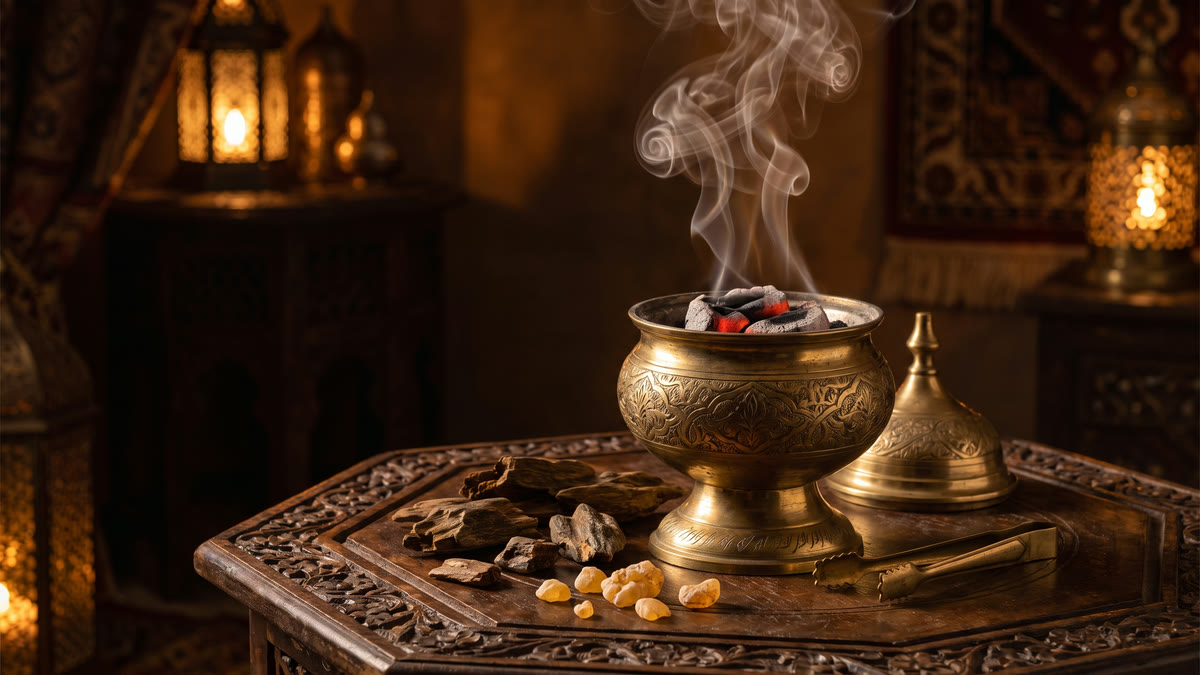
What is bakhoor? Bakhoor is the general name for blends of resin, wood and spices that release their scent when heated. The word comes from the Arabic bakhūr, meaning “to perfume with smoke” or “to fumigate.” Burned in homes and mosques and when welcoming guests across a wide region stretching from the former Ottoman lands to the Gulf, bakhoor incense is still one of the most deeply rooted ways to scent a space.
What Is Bakhoor Made Of?
Bakhoor isn’t a single substance; it’s usually a blend of these ingredients:
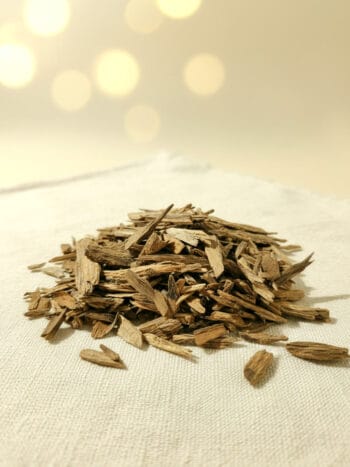
- Agarwood (oud): The most precious ingredient. The resin-saturated wood of the Aquilaria tree gives a deep, smoky scent as it heats.
- Frankincense: A pale yellow resin from the Boswellia tree. It smells fresh, slightly lemony and balsamic.
- Myrrh: A dark, bitter and earthy resin.
- Sandalwood: Adds a creamy, soft woody character.
- Fragrance oils and sugar: In ready-made bakhoor blends, wood chips are soaked in these oils and pressed.
There is no single “bakhoor tree.” The scent of bakhoor depends on which resins and woods are blended and in what proportions.
Which Trees Give Bakhoor Its Scent?
No one tree is “the bakhoor tree”; several trees that yield fragrant resin or wood are associated with it:
- Agarwood (Aquilaria): Grows in Southeast Asia. Its resin-darkened wood is the most valuable bakhoor material. For details, see Agarwood Incense: What Agarwood Is and How to Burn It.
- Frankincense tree (Boswellia): Grows in Oman, Yemen and Somalia; its resin is known as frankincense or olibanum.
- Oriental sweetgum (Liquidambar orientalis): Native to southwestern Türkiye, especially around Muğla and Köyceğiz. Its resin, known as storax, has been used in Anatolia for centuries for incense and perfumery.
- Myrrh tree (Commiphora): Grows in the Arabian Peninsula and East Africa; its resin is known as myrrh.
How to Burn Bakhoor
Unlike stick incense, bakhoor doesn’t burn on its own; it needs a heat source.
- Prepare the burner. Add a finger-width layer of sand or ash; this spreads the heat and keeps the vessel from cracking.
- Light the charcoal. Hold an incense charcoal disc with tongs and light one edge. It will spark and start to glow.
- Let it ash over. Set the charcoal on the sand and wait 3 to 5 minutes until the surface is covered in gray ash. Skip this step and the scent comes out burnt.
- Add the bakhoor. A pea-sized piece is enough. Place it on the charcoal.
Bakhoor smokes heavily for a few minutes, then softens. The scent lingers in the room and in fabrics for a long time. To put it out, simply close the burner’s lid.
For more detail, see our guide to lighting incense.
Why Do People Burn Bakhoor?
There are practical and cultural reasons:
- To scent the home: The core purpose. Bakhoor settles into fabrics and rugs and lingers for days.
- To welcome guests: In Gulf culture the home is perfumed with bakhoor before guests arrive, and the burner is passed around so the scent clings to their clothes. It’s a gesture of hospitality and respect.
- To freshen the air: It’s commonly burned after meals to refresh a room.
- Ritual and tradition: Burning bakhoor on Fridays, religious holidays, blessed nights and special occasions is a long-standing custom.
Why Is Bakhoor So Important in Arab Culture?
In the Gulf and across the Arabian Peninsula, bakhoor is a tangible expression of hospitality. The custom works like this: once guests are seated, the host passes the burner from hand to hand and everyone wafts the smoke toward their clothes and hair. Done near the end of a visit, it is also read as a polite way of saying farewell.
In the region’s hot climate, a scent that lasts on fabric made this tradition practical as well. Oud and bakhoor sit at the heart of Arabian perfumery, which is why they’re the first notes that come to mind when people think of “Arabic perfume.”
Bakhoor in the Ottoman World
In the Ottoman Empire, incense was part of palace life. Censers were used in palaces, mansions and mosques, and rooms were perfumed with incense on the blessed nights of the Islamic calendar and on holiday mornings. Ottoman perfumers, the attars, mixed incense blends to their own measures, and each had a signature recipe.
Censers worked in silver and brass gradually became a craft in their own right. The Ottoman censers displayed in museums today show how seriously fragrance was taken in that era.
Bakhoor vs. Stick Incense
- Bakhoor: A blend of resin, wood or wood chips. It doesn’t burn on its own and needs charcoal or a heater. The scent is denser and deeper.
- Stick incense: A paste wrapped around a bamboo stick. It’s lit directly and burns on its own. It’s more convenient, and the scent is lighter.
In short, bakhoor is more traditional and intense; stick incense is more practical and everyday.
A Note on the Religious Dimension
Incense and pleasant fragrance hold a positive place in Islamic culture; narrations about the love of good scent are widely known, and burning bakhoor is part of Friday and holiday customs in many regions.
That said, questions that require a religious ruling (such as whether a practice is permissible) are outside the scope of this article. For those, it is best to consult a qualified scholar or a recognized religious authority.
Likewise, there are popular beliefs about bakhoor warding off the evil eye or having healing or similar effects; these are part of cultural tradition. We offer bakhoor as a fragrance product and make no health or metaphysical claims.
Tips for Burning Bakhoor Safely
- Ventilate. Bakhoor smokes heavily; don’t shut the windows completely.
- Use a little. A pea-sized piece is more than enough for a medium room.
- Use a heat-resistant surface. The underside of a burner gets very hot; don’t set it directly on wood or plastic.
- Don’t leave it unattended. Charcoal can stay hot for hours.
- Avoid it if anyone is sensitive. In spaces with people who have asthma, allergies or respiratory conditions, smoke-free options are better.
Smoke-Free Option: Alcohol-Free Perfume Oil
If you love the scent of bakhoor but don’t want the smoke, woody and resinous perfume oils give the same mood without it:
- 3 to 5 drops in a diffuser
- In an electric fragrance warmer
- On a cotton ball in a closet or drawer
For a smoky, incense-like character, Yanık Sandal Ağacı perfume oil is a good choice; for a calmer woody room scent, try Sedir Ağacı perfume oil.
Frequently Asked Questions
What is bakhoor, in short?
A blend of resin, wood and spices that releases its scent when heated. It’s burned on charcoal.
What tree is bakhoor made from?
Not just one. The most common ingredients are agarwood (oud), frankincense resin, myrrh and sandalwood.
How long does the scent of bakhoor last?
Four to eight hours in a room, and several days on fabrics and rugs. It lasts longer in a closed space.
Is bakhoor the same as incense?
Bakhoor is a type of incense, but it differs from stick incense: it needs charcoal and is more intense, while stick incense burns on its own and is lighter.
Can you burn bakhoor without a bakhoor burner?
You can use a heat-resistant ceramic or metal bowl filled with sand. Using an open flame or a heated metal surface directly is not safe.
Why burn bakhoor at home?
Bakhoor is one of the oldest ways to scent a home. It’s burned when welcoming guests, on Fridays and on holidays, and its scent settles into curtains and clothes. Claims of therapeutic effects have no scientific basis; it’s best seen as a fragrance tradition.
Is it bakhoor, bukhoor or bakhour?
All three are spellings of the same Arabic word. “Bakhoor” is the most common in English, followed by “bukhoor.”
Summary
Bakhoor is a traditional way of scenting a space by heating resins and woods. Because it doesn’t burn on its own, it needs charcoal, and the key is to wait for the charcoal to ash over. Its cultural roots stretch from the Ottoman world to the Gulf, and today it is still the scent of welcoming guests and of special days.
For smoke-free options, browse our alcohol-free perfume oils, and if you’re curious about how scents are built, read our musk and amber guides.
For lovers of bakhoor scents


Men's

Men's


