
Scent Guide
Agarwood Incense: What Agarwood Is and How to Burn It

Sep
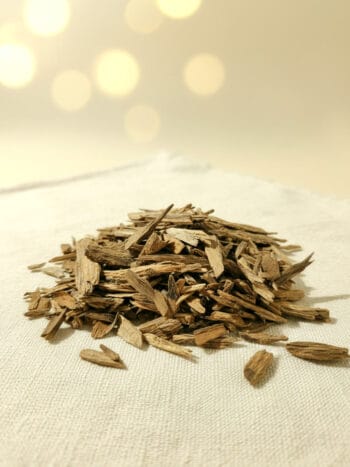
Agarwood is the resin-darkened wood of the Aquilaria tree, which grows in Southeast Asia. Oud, aloeswood and eaglewood are other names for the same material. Heated, it releases a deep, resinous and slightly sweet scent; for centuries it has been burned as agarwood incense, and its oil counts among the most precious fragrance materials. In this guide we explain what agarwood is, where it grows, how to burn it as incense and how to tell the real thing.
What Is Agarwood?
Although “agarwood” sounds like the name of a tree species, it actually refers to a special wood that forms inside a tree. Trees of the Aquilaria genus normally have pale, odorless, lightweight wood. When the tree is wounded or infected by a particular mold, it produces a dark, fragrant resin to protect itself. Over the years this resin works its way into the fibers of the wood; the wood darkens, grows heavier and becomes fragrant.
This resinous wood is known as agarwood in English, ʿūd in Arabic and öd ağacı in Turkish. The resin-free parts of the same tree have almost no scent; what is valuable are the veined sections where the resin has accumulated.
Other Names for Agarwood
The same material goes by different names around the world. Names you may come across:
- Oud: From the Arabic ʿūd; the name most used in perfumery.
- Agarwood: The most common English name.
- Aloeswood / eaglewood: Names found in older English sources.
- Gaharu: The local name in Malaysia and Indonesia.
- Jinkō: The name used in Japan, with its long incense tradition.
In short, “oud incense,” “oud chips” and “agarwood incense” all describe the same thing.
Where Does Agarwood Grow?
Aquilaria trees need a tropical, humid climate. Their native range covers northeastern India, Bangladesh, Myanmar, Thailand, Cambodia, Vietnam, Laos, Malaysia and Indonesia. They don’t grow in temperate climates, so the agarwood chips, beads and oils sold in Europe, the Middle East and the Americas come from these countries.
Because of overharvesting, wild Aquilaria species are under international protection, and their trade is regulated under the CITES convention. Today a large share of the agarwood on the market comes from managed plantations.
What Does Agarwood Smell Like?
Agarwood’s scent comes out when it is heated. Cold, it gives a light, woody smell; warmed in a burner, its character opens up:
- Resinous and balsamic: A dark, dense depth.
- Woody: Dry wood and warm timber.
- Slightly sweet: A softness that recalls honey and dried fruit.
- Smoky: An incense tone that grows as the heat rises.
Chips and oil smell different. A chip heated as incense smells sweeter and softer; distilled oud oil is sharper, more animalic and denser. For the scent’s place in perfumery and why it’s so prized, see What Is Oud?
How to Burn Agarwood Incense
Agarwood isn’t held in a flame like stick incense. The right method is to heat the chip, not burn it. When a flame touches the wood, it burns quickly, gives off a bitter smoke and the real scent is lost.
In a charcoal burner
- Hold a quick-lighting incense charcoal disc with tongs and light it at the edge.
- Wait a few minutes until the charcoal stops sparking and turns gray on top.
- Place one or two lentil-sized agarwood chips on the charcoal.
- As the chip warms, it releases its scent. One chip gives off scent for 5 to 10 minutes.
In an electric burner
An electric burner heats the chip without charcoal, at an adjustable temperature. There’s far less smoke, and the scent is cleaner and longer-lasting. Start on low heat and raise it as the scent opens for the best results.
To perfume clothing, holding the burner under the fabric for a few seconds is enough; on the Arabian Peninsula this is done as guests are seen off. When burning it at home, remember to ventilate.
What Is Agarwood Incense Used For?
Agarwood has been used for centuries to scent a space. It is burned when welcoming guests, on special occasions, before prayer or simply in the evening to create a calm atmosphere. Its scent settles into clothes and fabrics and lingers for days.
Many health claims about agarwood circulate online. Their scientific basis is weak; we regard agarwood as a fragrance material. Any burning that produces smoke affects indoor air, so short sessions and good ventilation are recommended.
Agarwood and the Incense Tradition
Agarwood holds a special place in the fragrance culture of the Islamic world. According to a narration in Sahih Muslim, Abdullah ibn Umar would perfume himself with the smoke of unmixed aloeswood, or aloeswood mixed with camphor, and say that this is how the Messenger of God perfumed himself. That’s why agarwood incense is burned in many homes on Fridays and holidays.
In the Ottoman Empire, agarwood was among the most valuable goods sold by attars (perfumers) and was burned in censers in palaces and mansions. For the broader history of incense blends, read What Is Bakhoor?
How to Tell Real Agarwood
Because agarwood is expensive, fakes are common: soaking or dyeing resin-free wood chips in fragrance oil is the most widespread method. What to look for:
- Veining: In real agarwood, dark resin veins are interwoven with lighter wood. If a chip is a uniform, flat black, it may be dyed.
- Scent when heated: A real chip releases a layered scent that opens slowly as it warms. A fake smells sharp and perfumey at first, then quickly turns to burnt wood.
- Bubbling: When a resinous chip is heated, tiny bubbles appear on its surface as the resin boils.
- Weight: Chips with a very high resin content are heavier than water and sink. This applies only to the top grades; a chip that floats isn’t necessarily fake.
- Price: “Agarwood” sold very cheaply by the gram is most likely resin-free or scented wood.
Agarwood Prayer Beads
Agarwood is also made into prayer beads (tasbih), which come up often in searches. Beads made from resinous wood give off a faint scent as they warm in the hand. However, a large share of “agarwood beads” on the market are made from resin-free wood and then scented; genuine resinous beads are priced accordingly. For scenting a room, incense chips are more effective than beads.
Frequently Asked Questions
What is agarwood, and what is it used for?
It’s the resin-darkened wood of the Aquilaria tree. It’s heated in a burner to scent rooms and clothes, and its oil is a precious raw material in perfumery.
What are the other names for agarwood?
Oud, aloeswood, eaglewood, gaharu and jinkō. They all refer to the same resinous wood.
Where does agarwood grow?
It needs a tropical climate and grows in Southeast Asia and northeastern India.
Is agarwood the same as oud?
Yes. Oud comes from the Arabic name for agarwood. As chips it’s burned as incense; distilled, it gives oud oil.
Do you burn agarwood directly in a flame?
No, you heat it. Place it on glowing charcoal or in an electric burner. If a flame touches it, it gives off a bitter smoke.
How long does one piece of agarwood give off scent?
A lentil-sized chip gives off scent for 5 to 10 minutes on charcoal; the scent lingers in the room and on fabric for hours.
Summary
Agarwood is the resin-filled wood of the Aquilaria tree; oud and aloeswood are other names for the same material. It grows in tropical Southeast Asia. It isn’t burned but heated in a burner, and real agarwood can be recognized by its veined structure, its layered scent as it warms and its bubbling resin.
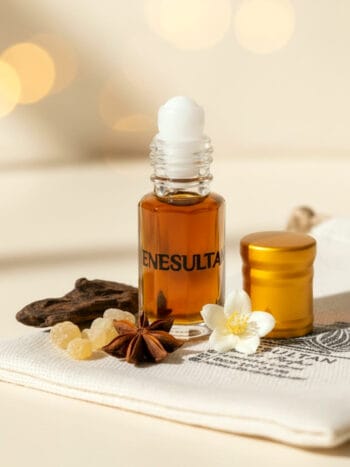
To try genuine agarwood, see our agarwood (oud) chips, sold by the gram. If you’d like to wear the oud character on your skin, try our Ud-ı Sultani and Kara Ud perfume oils.
Agarwood chips and oud perfume oils


Men's


Men's

Men's
