Attar Tradition
What Is Attar? Attar Perfume and the Ottoman Attar Tradition

Oct
What is attar? The word comes from the Arabic ʿiṭr, “fragrance,” and has two meanings. Historically, an attar was a person who made and sold fragrance; in the Ottoman world, attars sold not only scents but also spices, herbs, dyes and medicinal raw materials. In India and the Middle East today, “attar” (also spelled ittar) is the name of a traditional alcohol-free perfume oil. In this guide we explain the meaning of the word, the Ottoman attar tradition, how traditional attar perfume is made and what itriyat means.
What Does “Attar” Mean?
The root of the word is the Arabic ʿ-ṭ-r, meaning “fragrance.” Attar is an occupational noun formed from this root: someone who sells and makes fragrance. Throughout history, the attar’s trade was never limited to scent. The same shop that sold rosewater and musk also sold cinnamon, cloves, henna, soap and dried herbs.
The word took on different meanings in different languages:
- Ottoman and older Turkish: A tradesman who sold fragrances, spices, medicinal raw materials and dyes.
- Modern Turkish: The trade is now called aktar (herbalist and spice seller), a folk form of the same word; “attar” survives as an older, literary term.
- India and the Middle East: “Attar” (ittar) is the name of the oil-based, alcohol-free traditional perfume itself.
Attar Perfume: How Traditional Attar Is Made
In India and the Middle East, “attar” is the name for oil-based perfumes made without alcohol. The Indian city of Kannauj is the center of this tradition and has been producing fragrance with the same method for centuries:
- Flowers (such as rose or jasmine) are heated with water in large copper stills.
- The fragrant steam travels through bamboo pipes into a vessel filled with sandalwood oil.
- The scent is absorbed into the sandalwood oil; the process is repeated for days until the oil is saturated with fragrance.
The result is an intense, long-lasting fragrance with no alcohol, applied to the skin drop by drop. The perfume oils we wear today are the modern counterpart of this tradition. For sandalwood oil’s role in it, see Sandalwood Oil Uses.
Attar vs. Aktar
Both words come from the same root. “Attar” is the original form; in everyday Turkish it gradually became “aktar.” Today:
- Aktar: The common Turkish word for a shop or tradesman selling spices, dried herbs and botanical goods.
- Attar: Used for a master of fragrance in historical and literary contexts, or when talking about traditional perfume oils.
So the spice seller in an Istanbul neighborhood is an aktar, while the Ottoman master who distilled rose oil was an attar.
What Is Itriyat?
Itriyat comes from the same root and means “fragrances, fragrance goods.” In the Ottoman world, itriyat was the general name for products such as rosewater, rose oil, musk, amber, agarwood and scented soaps. In Türkiye the word lives on today mostly in pharmacies, where the section selling cosmetics, personal care and perfume is still called the itriyat section.
The Attar in the Ottoman World
In Ottoman cities, attars were a respected group of tradesmen organized into guilds. In Istanbul, attar shops were an integral part of the great bazaars and the areas around mosques. In his Book of Travels (Seyahatname), Evliya Çelebi lists the attars as a distinct group when describing the tradesmen of Istanbul.
An attar’s shop would stock:
- Fragrance oils and waters: Rose oil, rosewater, musk, amber, sandalwood oil.
- Incense: Agarwood, frankincense, myrrh and ready-made incense blends.
- Spices: Cinnamon, cloves, ginger, black pepper, saffron.
- Dyes and beauty supplies: Henna, kohl, plant-based dyes.
- Scented soaps, and the rose and flower waters of the era before cologne.
The attar was also a craftsman: he prepared custom blends for his customers and made fragrances to his own recipes for palaces and mansions. The most precious materials in palace scents were musk, amber and agarwood. We cover them in detail in What Is Musk Amber? and Agarwood Incense: What Agarwood Is and How to Burn It.
Farid ud-Din Attar: The Poet Named After His Trade
The name “attar” is also associated with a poet in Islamic culture. Farid ud-Din Attar, the Sufi poet who lived in Nishapur in the 12th and 13th centuries, took this name from his work as a perfumer and seller of remedies. His Conference of the Birds (Mantiq al-Tayr), which tells of the birds’ search for the Simurgh, is counted among the masterpieces of Eastern literature. The book of advice attributed to him, the Pandnama, was read for centuries in the Ottoman world.
From the Attar Tradition to Today
In the late Ottoman period, alcohol-based perfume and cologne arriving from the West gradually took the place of the attar shops. Some attars turned to selling spices and herbs and carried on as aktars; others became makers of cologne and fragrance oils. In the late 19th century, rose cultivation took root in Isparta in southwestern Türkiye and carried the tradition of rose oil distillation into the present.
Today the attar tradition lives on in three places: in herbalist shops, in the itriyat sections of pharmacies, and in concentrated, alcohol-free perfume oils.
Frequently Asked Questions
What is attar?
Historically, a person who made and sold fragrance, spices and remedies; today also the name of a traditional alcohol-free perfume oil. The word comes from the Arabic ʿiṭr, “fragrance.”
Is attar the same as ittar?
Yes. Ittar and itr are other spellings of the same word, used especially in India and Pakistan.
What is attar perfume?
An oil-based, concentrated fragrance made without alcohol. It’s applied to the skin by the drop or with a roll-on and lasts a long time. To compare it with sprayed perfume, see Perfume Oil vs. Perfume.
Are aktar and attar the same word?
Yes, they share a root. “Aktar” is the folk Turkish form of “attar.” Today Turks say aktar for a spice and herb seller and attar for a master perfumer.
What does itriyat mean?
Fragrances and fragrance goods. In Türkiye today, the section of a pharmacy that sells cosmetics and perfume is called the itriyat section.
Who was Farid ud-Din Attar?
A Sufi poet who lived in Nishapur in the 12th and 13th centuries. He took the name Attar from his trade; his best-known work is the Conference of the Birds.
Summary
An attar was someone who made and sold fragrance, and the Turkish word “aktar” comes from it. In the Ottoman world, attars were respected tradesmen who sold fragrances, spices and remedies and prepared special scents with musk, amber and agarwood for the palaces. Itriyat was the general name for these fragrances and lives on today in pharmacies. The fragrance legacy of the attar tradition is the alcohol-free, oil-based perfume oil.
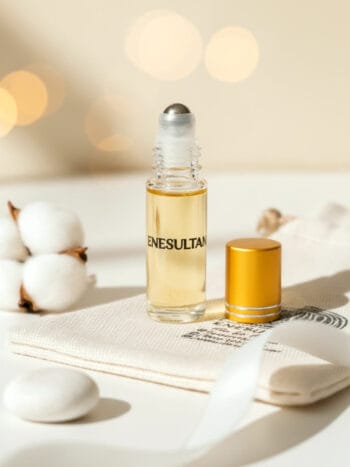
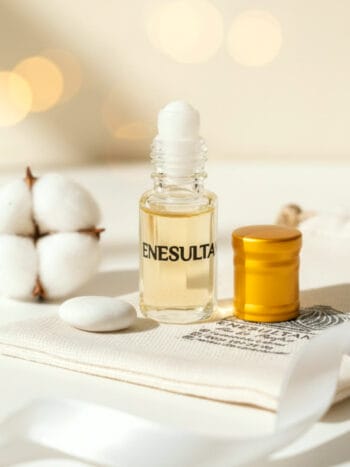
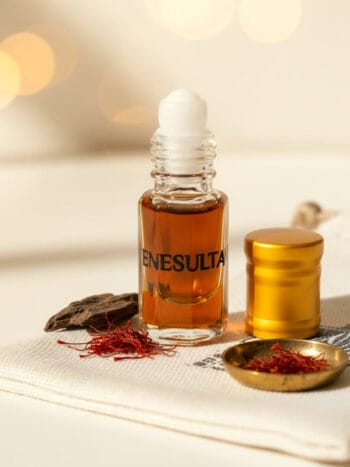
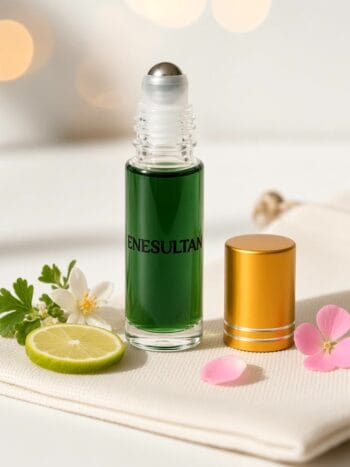
Following this tradition, EneSultan offers concentrated, alcohol-free perfume oils. You can read our story on our About Us page and find the scent that suits you with Discover Your Scent.
For lovers of attar scents



Perfume Oils