
Scent Guide
What Is Oud? Why Oud Perfume Is So Prized
Sep
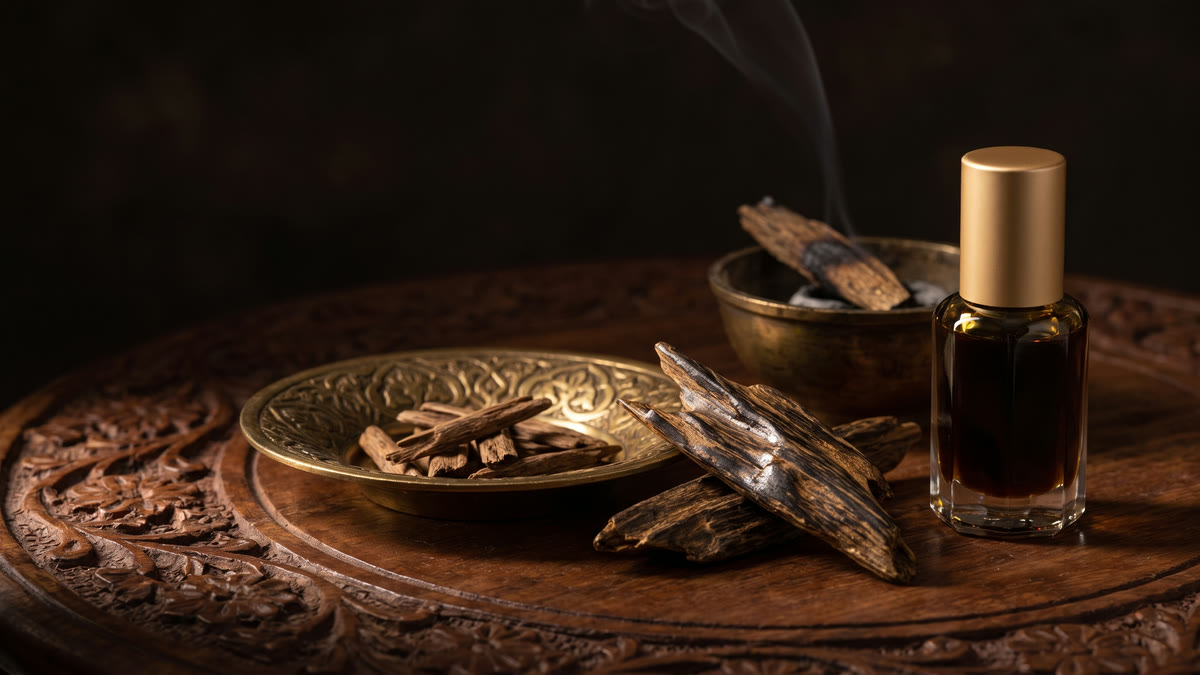
What is oud? Oud, also called agarwood, is the resin-saturated heartwood of the Aquilaria tree and one of the most precious raw materials in the world of fragrance. Because its price per kilogram can rival that of gold, it is often called “liquid gold.” In this guide we explain what oud is, how it forms, what oud perfume smells like and why it is so expensive.
What Does “Oud” Mean?
Oud (ʿūd) is Arabic for “wood” or “a piece of wood.” In English the same material is called agarwood, and in Turkish öd ağacı. In perfumery, “oud” is the name of the scent that comes from this resinous wood and of the perfumes that carry it. We explain the tree itself, where it grows and how it’s burned as incense in Agarwood Incense: What Agarwood Is and How to Burn It.
What Does Oud Smell Like?
Oud often surprises people the first time; it doesn’t fit the usual idea of a “pretty” scent. Its character is layered:
- Resinous: A dense, balsamic, almost sticky depth.
- Smoky: It suggests charred wood and incense.
- Animalic: Especially in genuine oud oil, there’s a sharpness close to leather and barnyard.
- Sweetish: Deep down, tones of honey and dried fruit.
That’s why oud is an “acquired” scent: it can feel heavy at first, and after a few wears it becomes addictive. It’s no accident that it sits at the heart of Arabian perfumery.
How Does Oud Form?
Here’s what really makes oud so precious: oud is not found in a healthy tree.
When an Aquilaria tree is infected by a particular mold, it produces a dark resin to defend itself. Over the years this resin works its way into the wood, making it heavier and darker. This resin-saturated wood is oud.
In the wild, only a small share of Aquilaria trees go through this infection, and forming high-quality oud takes decades. Because of overharvesting, wild Aquilaria species are now protected, and most commercial oud today comes from managed plantations.
Why Is Oud So Expensive?
- Rarity: It forms in only a very small share of trees.
- Time: Quality resin builds up over decades.
- Yield: Many kilograms of wood yield only a very small amount of oil.
- Protected status: Wild harvesting is restricted.
That’s why most oud scents on the market are not straight oud oil but an oud accord: a blend of woody and resinous materials that carries oud’s character. This isn’t a shortcoming but a matter of accessibility; a bottle of fragrance made only with genuine oud oil would be far beyond most people’s budget.
Oud vs. Other Woody Notes
- Oud: Resinous, smoky, animalic. The heaviest and most intense.
- Sandalwood: Creamy, milky, soft.
- Cedar: Dry, clean, like pencil shavings.
- Patchouli: Earthy, damp, slightly chocolatey.
Oud lovers usually also enjoy incense-like, smoky scents such as Yanık Sandal Ağacı perfume oil; this profile delivers the qualities people love in oud in a more accessible way.
Oud Culture: Why Is It So Central in the Gulf?
On the Arabian Peninsula, oud isn’t just a perfume note; it’s part of hospitality. Pieces of oud burned in a censer scent the home and settle into guests’ clothes. It’s commonly worn on special occasions and religious holidays.
In a hot climate, a scent that lingers on fabric made this tradition practical as well. For more on incense culture, see What Is Bakhoor?
Who Is Oud Perfume For?
- People who love intense, bold scents that leave a trail
- Fall, winter and evening wear
- Anyone looking for a special-occasion or party scent
- Anyone curious about classic Eastern perfumery
Who it isn’t for: People who want to stay subtle in shared spaces like offices, and lovers of fresh, clean scents. Oud fills a room; if that’s not what you want, white musk or citrus-based scents are a better fit.
How to Wear Oud
- Use a little. Even half a drop is noticeable. More doesn’t make it nicer; it overwhelms.
- Apply it to fabric. On a jacket collar or scarf it lasts for days.
- Layer it. A drop of amber or musk on top softens oud’s sharpness.
- Wear it in cool weather. In heat it turns heavy; in winter it shows its true character.
Frequently Asked Questions
What does oud smell like?
Resinous, smoky and deep: a blend of charred wood, leather and balsamic sweetness. It’s completely different from familiar floral scents.
Why is oud expensive?
It forms only in infected Aquilaria trees, takes decades to develop and yields very little.
What is oud perfume?
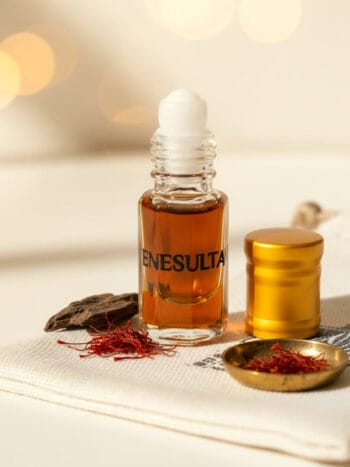
A fragrance built around the oud note. Most oud perfumes use an oud accord rather than straight oud oil, often paired with rose, amber, saffron or woods.
Is oud a women’s or a men’s scent?
Unisex. In Gulf culture both men and women wear rich oud. Paired with rose it leans feminine; with leather it leans masculine.
How long does oud last?
It’s one of the longest-lasting scent families. It can stay on skin for many hours and on fabric for days.
Is oud the same as agarwood?
Yes. Oud is the Arabic name and agarwood the English one for the same resinous wood; it’s also known as aloeswood.
Can oud be burned as incense?
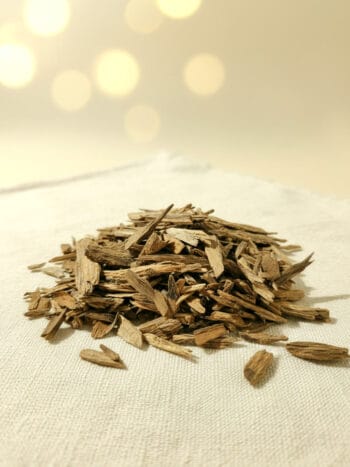
Yes. Resinous pieces of agarwood are heated in a burner and release a deep, resinous scent. For genuine agarwood pieces, see our agarwood (oud) chips.
Summary
Oud is the world’s most precious fragrance raw material, coming from the resin-saturated wood of infected Aquilaria trees. Its rarity and the time it takes to form set its price; most oud scents on the market are accords that carry oud’s character rather than straight oil.
To try a smoky, woody profile, Yanık Sandal Ağacı perfume oil is a good start. You’ll find other scent families in our musk and amber guides.
Oud chips and oud perfume oils




Men's


Men's
